










What Your Brand Colours Are Secretly Saying
Colour is one of the fastest signals a brand can send to the human brain. Before someone reads a headline, understands a message, or evaluates a product, they see colour. That first visual impression immediately begins forming assumptions about what the brand represents — whether it feels trustworthy, exciting, premium, cheap, safe, or innovative.
Humans evolved to interpret colour quickly. Red historically meant danger or urgency. Green signalled life, safety and growth. Blue represented stability and calm skies. These associations still exist today, and branding takes advantage of them. When a company chooses a colour palette, they are effectively choosing the emotional tone of their brand.
Red is a perfect example. It demands attention and creates a sense of urgency. It increases heart rate and stimulates appetite, which is why it is commonly used in fast food and energy brands. The goal is simple: grab attention and trigger action.
Blue does the opposite. It slows things down and communicates reliability, intelligence and stability. This is why so many technology companies, banks and professional service firms lean heavily on blue. When trust is the primary currency, blue becomes a safe and powerful choice.
Green is strongly associated with nature, growth and wellbeing. Brands that want to emphasise sustainability, health, or environmental awareness often gravitate towards green. However, green can also represent wealth and prosperity, which makes it surprisingly versatile across industries.
Yellow and orange live on the more energetic side of the spectrum. Yellow stimulates optimism and mental activity, while orange combines enthusiasm with friendliness and approachability. Both are effective for attracting attention, but they are often used as accent colours rather than dominant palettes because of their intensity.
At the premium end of the spectrum, colours like purple, black and deep neutrals take centre stage. Purple carries historic associations with royalty and luxury, while black communicates sophistication, power and exclusivity. Luxury brands frequently rely on these darker tones because they create a sense of authority and restraint.
White and grey play a different role entirely. Rather than carrying strong emotional signals, they provide balance. White creates clarity and minimalism, while grey adds professionalism and structure. Together they often form the foundation that allows other colours to stand out.
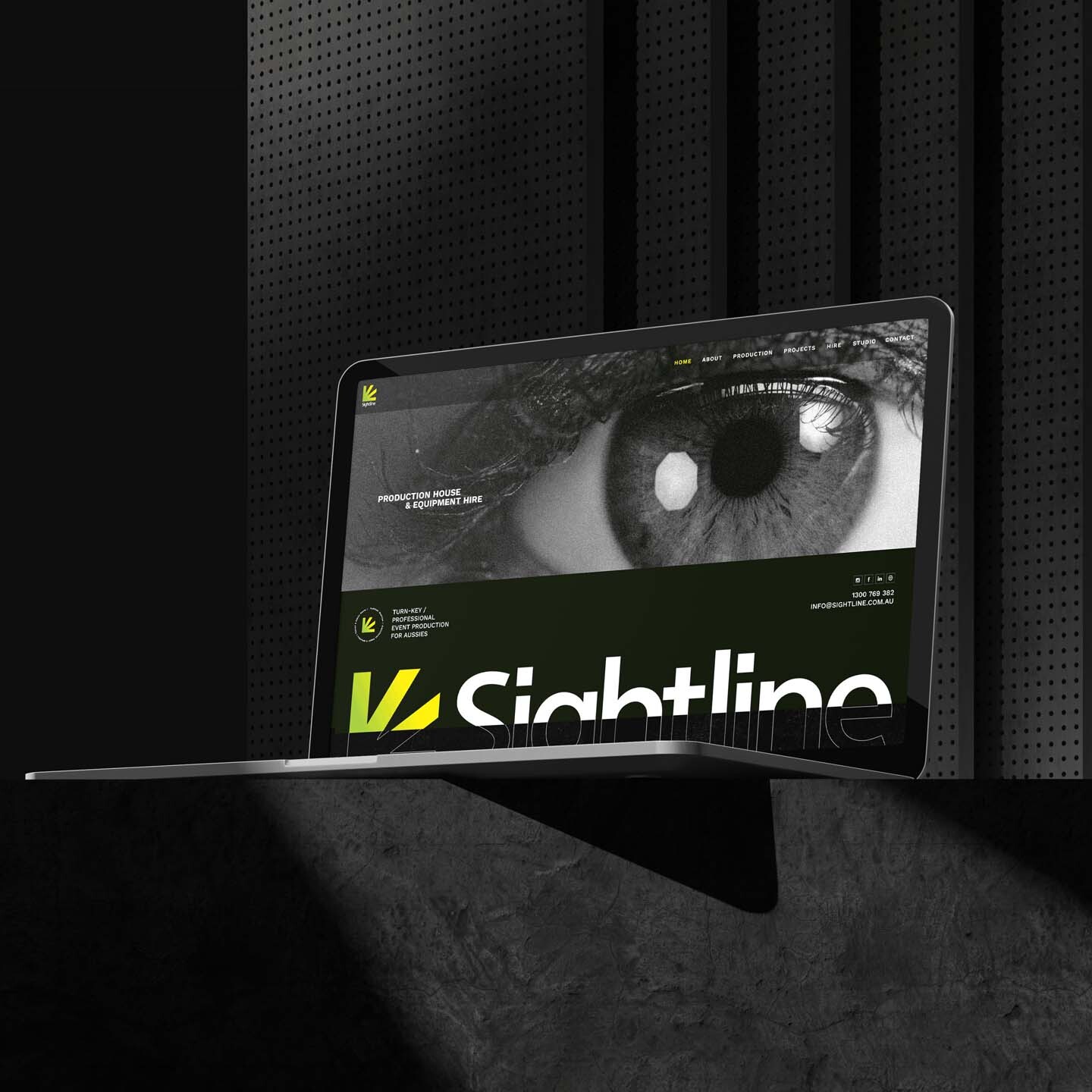
What makes colour psychology interesting is that it rarely works in isolation. The real power appears when colours are combined strategically. A black and red palette might communicate performance and aggression. Blue and silver might suggest engineering precision and trust. Yellow accents can introduce excitement or signal promotions without overwhelming the brand.
This is why thoughtful colour selection is a core part of brand strategy rather than a purely aesthetic decision. The colours chosen for a brand will influence how customers perceive quality, reliability, excitement and value — often before they have read a single word.
The key takeaway is simple: colour is not decoration. It is communication.
When used intentionally, colour becomes one of the most powerful tools a brand has to shape perception, attract the right audience and reinforce its identity long before the product or service is even experienced.
Related Posts

The SEO Showdown Every Business Needs
If you're dipping your toes into Google Ads or SEO for your WordPress site,…


What a Brand Really Is (And What It Absolutely Isn’t)
A brand is not your logo, your colour palette, or your Instagram grid – it’s…

Show Up, No Matter What
Experience is one of the most valuable tools in life, yet so many people avoid…